How Strobe works.
An edge controller at your facility, a cloud control room that decides what every asset should do, and live links to the wholesale market and your utility.
01 / The system
One control loop:
sense, decide, act.
Edge, cloud, and market.
The Operator
A controller at your facility. Reads meters, talks to assets.
Forecasting & dispatch
Decides minute-by-minute what every asset should do.
Wholesale & utility
Market integrations keep energy use and dispatch price-aware.
02 / The day
24 hours on EL9 Rate III.
Press play — the
transcript follows the
playhead.
A day at the case-study site: one peak window, one demand cap, two DR programs.
Off-peak refrigeration
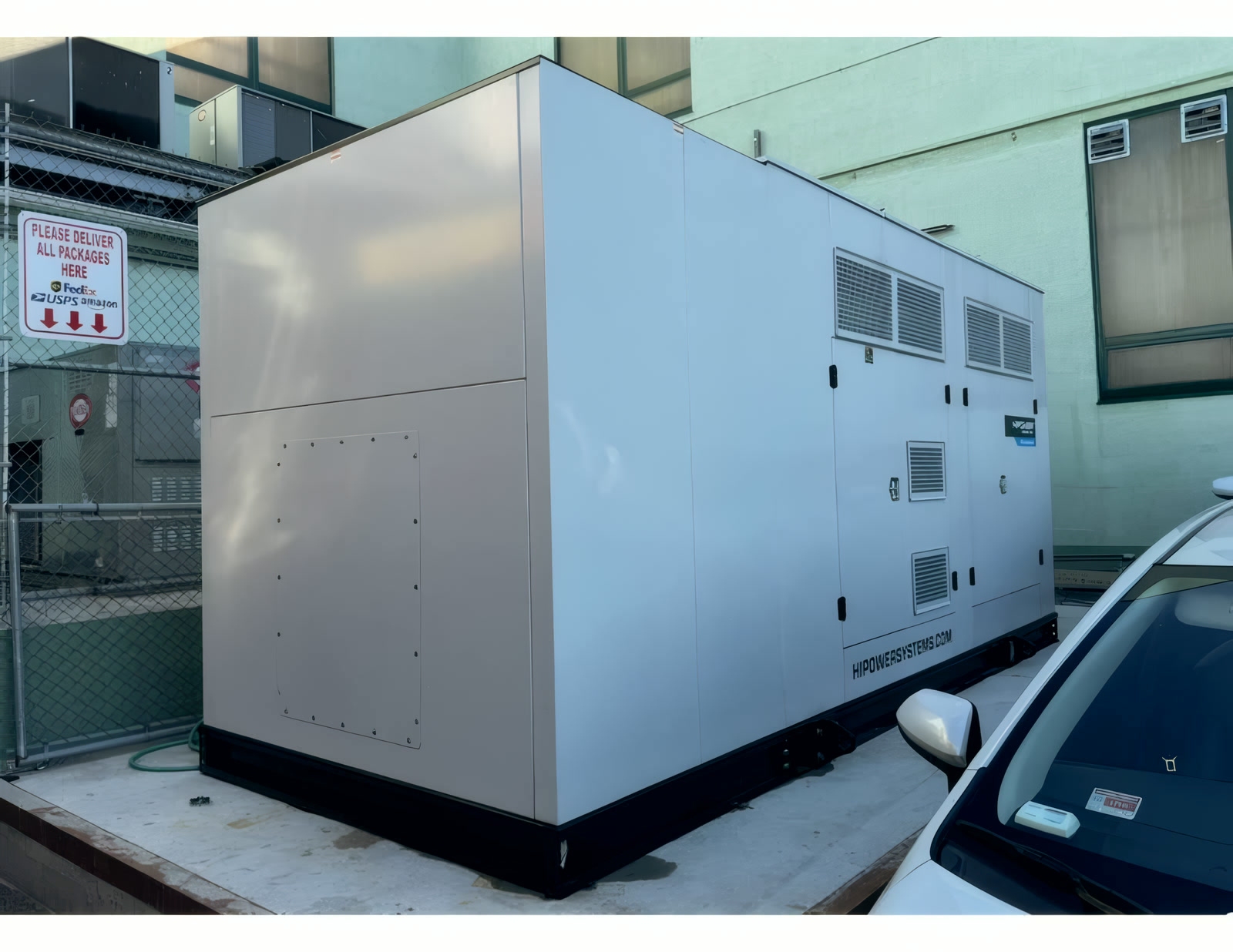
EL9 Rate III off-peak hours (10 PM – 8 AM weekdays, all-day weekends). Facility cools freely at ~280 kW from the grid. The 500 kW generator stays off.
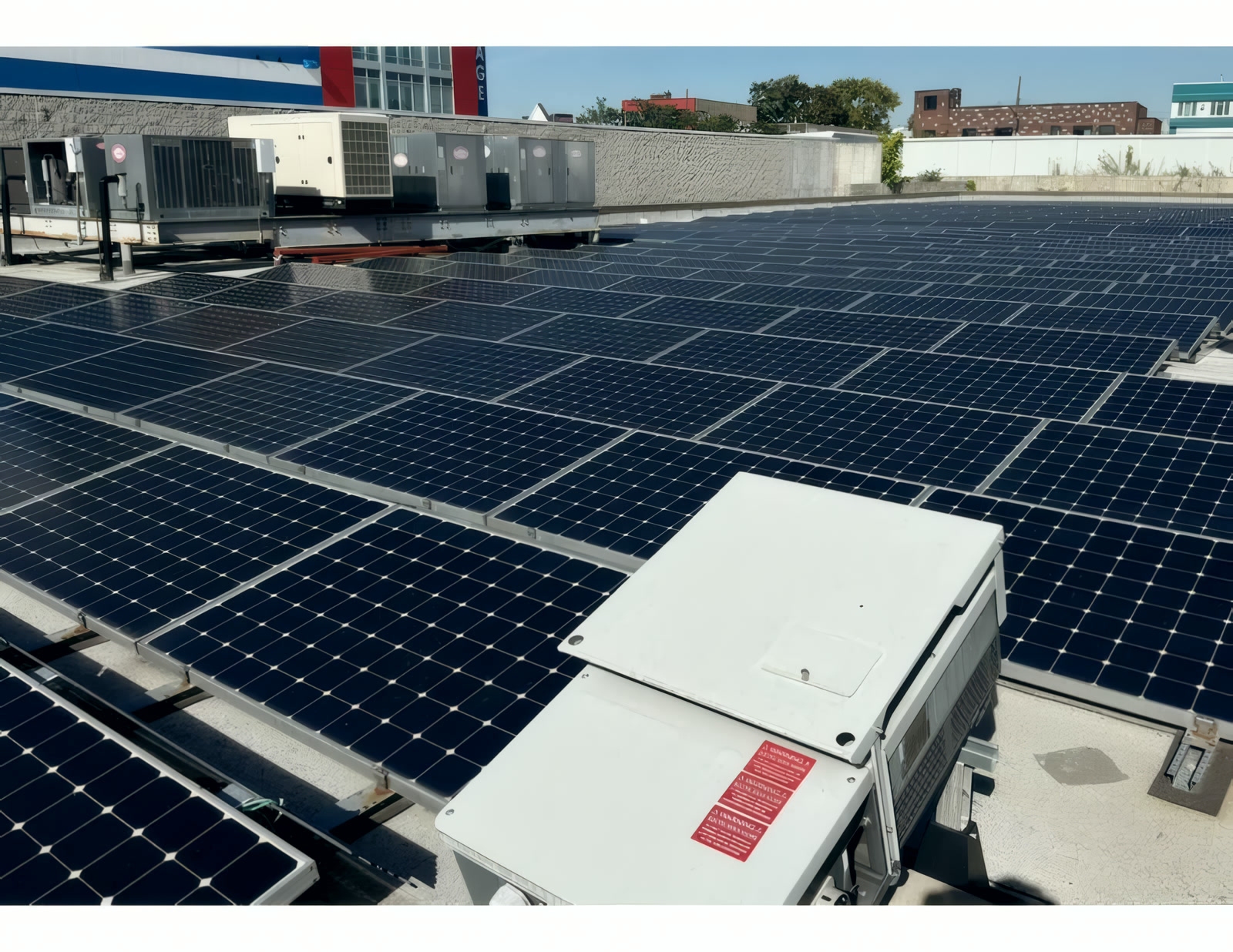
Rooftop solar comes online
The array starts producing. Grid imports trim from baseload as solar offsets the refrigeration load.
Pre-cool batch
Peak window opens at 8 AM. Strobe drives refrigeration harder while rates are still off-peak, giving freezer temps headroom into the daytime block.
Demand cap approached — generator dispatchReal-time
Afternoon truck-yard activity pushes projected demand toward the monthly cap. The generator parallels the grid at ~105 kW, trimming draw from 348 kW down to 243 kW — 30% peak demand reduction inside the 8 AM – 6 PM stacked-rate block.
ConEd CSRP event called
The site's ConEd network window opens (4 – 8 PM). The generator ramps to full output and absorbs the entire site load — grid draw drops to 0 kW for the 4-hour event. Curtailment is credited to both CSRP and DLRP enrollments.
Day settles
Avoided demand-charge accrual on the 8 AM – 10 PM peak window; CSRP performance plus reservation for the 4-hour event. Logged, attributed, rolled into the monthly performance report.
03 / Case study
Cold storage facility — $95K saved per year.
The site runs on Con Edison General Large (EL9) Rate I. Strobe deployed a 500 kW HiPower gas generator in parallel with the grid and migrated the facility to Rate III (Voluntary TOU) — turning demand charges from a fixed cost into a controllable variable.